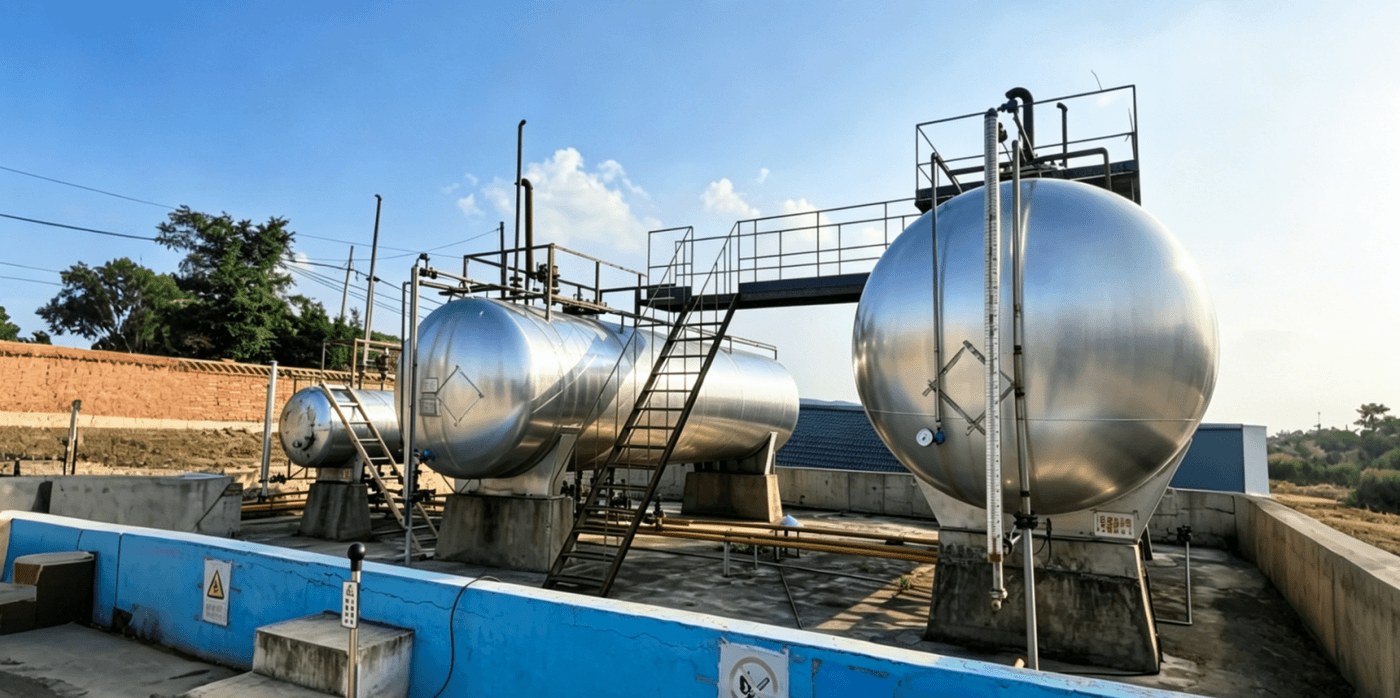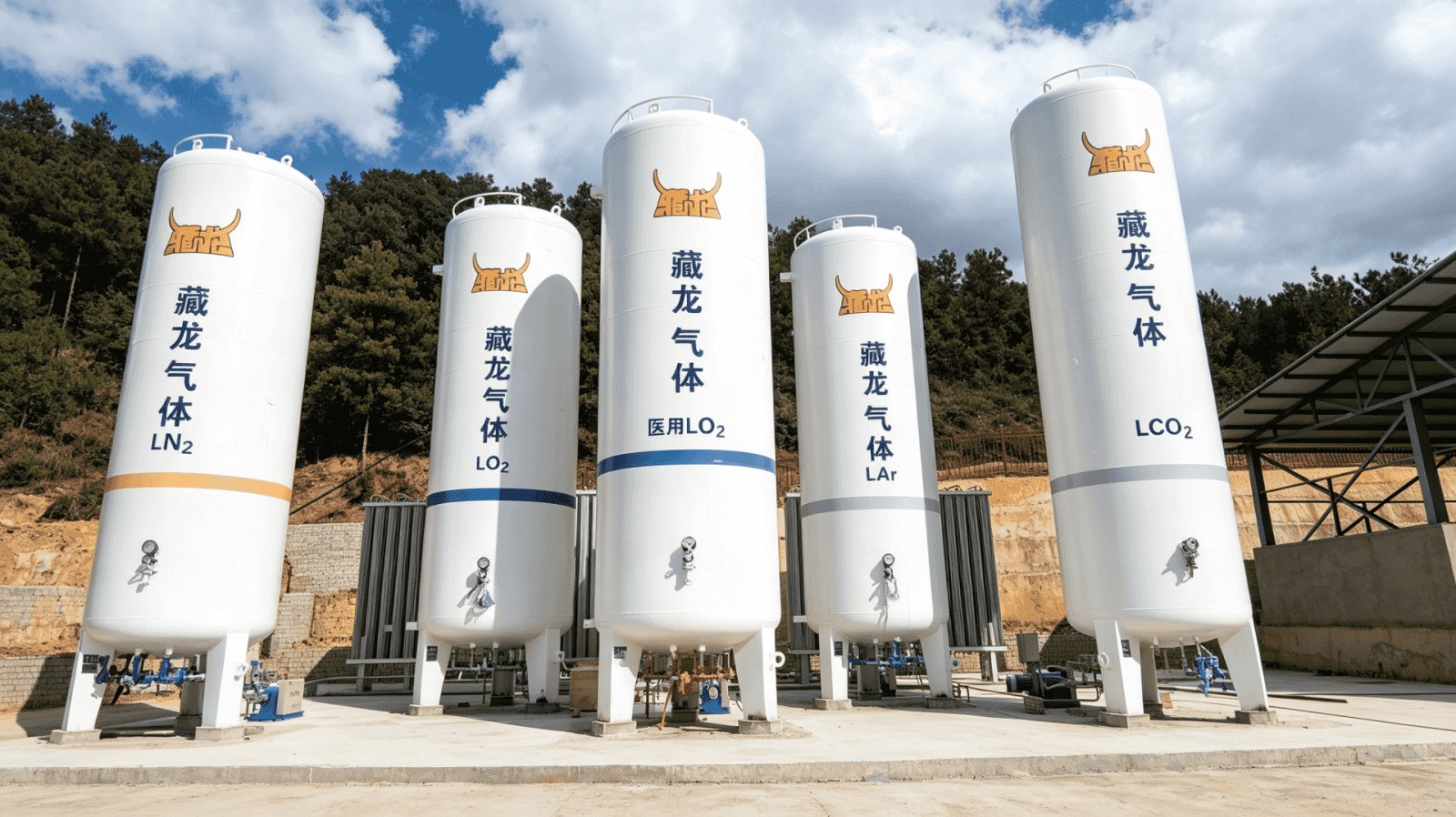
Cryogenic liquid filling safety norms and procedures are the core link for ensuring safety in industrial cryogenic applications. Involving cryogenic media like liquid nitrogen requires strict adherence to operational protocols to prevent risks such as leaks and asphyxiation. Liaoyang Jinding Cryogenic equipment can be customized according to conditions to ensure safety and performance requirements during filling.
Comprehensive inspection of the cryogenic tank must be conducted before filling. Focus on confirming no cracks or deformations in the tank body, intact valves, and functional safety accessories. Ensure proper connection of vaporizers and related pipelines according to design conditions. For first-use or long-term standby equipment restarts, pressure testing and leak detection must be performed as per current relevant safety technical specifications.
Preparations also include verifying the medium type and filling amount. Fill at a controlled rate to prevent sudden pressure surges. Operators must wear appropriate protective equipment, such as cryogenic gloves and goggles, and be familiar with emergency plans.
During filling, real-time monitoring of pressure and temperature changes in the cryogenic tank is essential. Immediate stopping and cause investigation are required if parameters deviate from design ranges. The liquid level indicator of the tank must be accurate, and filling should not exceed 95% of rated volume to reserve expansion space.
If the filling medium involves a vaporizer, its operational status must be synchronized controlled. Properly direct the evaporated gas to prevent accumulation and pressure overload. Operators should maintain distance from the tank to avoid direct contact with cryogenic surfaces.
After filling, the cryogenic tank should be depressurized or maintained at slight positive pressure. Close relevant valves and check for leaks in pipelines. For equipment used for multiple fills, record dates, medium types, and filling amounts for later tracking and management.
Equipment should be placed in a well-ventilated area away from heat sources before transportation or storage. If abnormalities occur, such as vacuum deviation or static vapor rate exceeding nameplate parameters, the equipment must be shut down and sent for inspection.
The main risks of cryogenic liquid filling include frostbite, asphyxiation, and equipment rupture. Frostbite can be prevented by avoiding direct contact with cryogenic media and surfaces. Asphyxiation risk requires joint control through forced ventilation and gas detection devices.
Risk of equipment rupture stems from overpressure or material fatigue. Therefore, pre-filling inspection of equipment integrity and parameter control during filling are crucial. Liaoyang Jinding Cryogenic equipment is designed with anti-fatigue features, but frequent extreme condition operations should still be avoided.
When standardizing cryogenic liquid filling operations, equipment type, medium characteristics, and site conditions must be comprehensively considered. Selecting appropriate cryogenic tanks and vaporizers, while strictly following operational procedures, is key to ensuring safety. Liaoyang Jinding Cryogenic equipment can be customized to provide solutions matching specific requirements.