
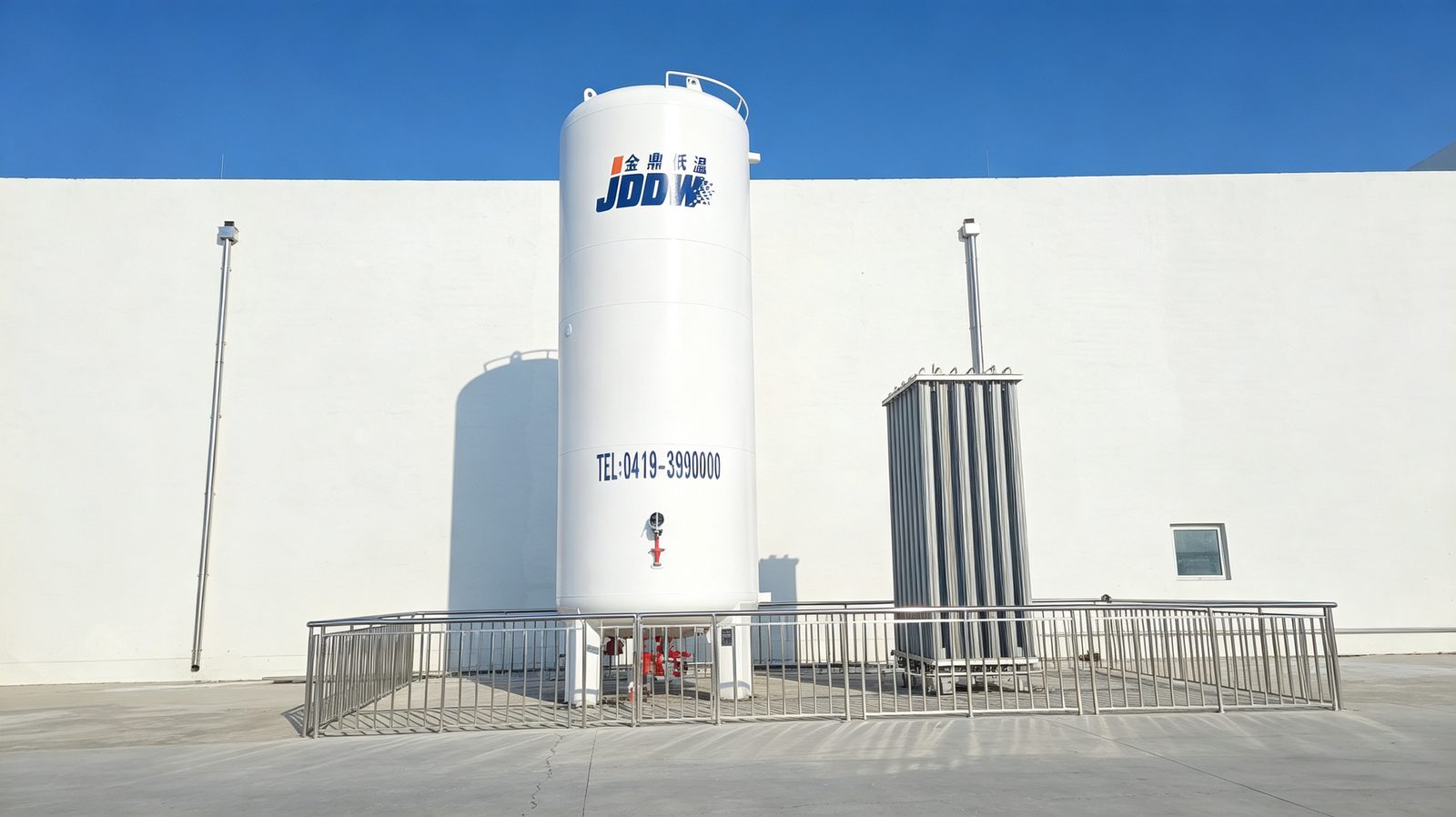
Rapid liquid nitrogen tank pressure rise is a frequent issue in cryogenic equipment operation, affecting safety and efficiency. This article systematically analyzes the causes of abnormal pressure increase and offers targeted solutions to ensure stable tank performance.
The primary cause of rapid pressure rise in liquid nitrogen tanks is abnormal temperature increase within the tank, typically triggered by environmental temperature fluctuations or insulation degradation. Prolonged exposure to high external temperatures, especially in summer, can accelerate liquid nitrogen vaporization if the tank lacks effective insulation or the insulation material is aging. This results in sharp pressure surges.
Solutions include optimizing insulation design with low thermal conductivity materials and enhancing environmental adaptability features like shading or ventilation systems. Regular inspection of insulation performance and timely replacement of worn materials are essential preventive measures.
Excessive liquid level in the tank is another critical factor. When the liquid level exceeds the vaporizer's operating range, it may overload the vaporizer, reducing efficiency or causing localized overheating. Malfunctioning level control valves can also lead to continuous liquid accumulation.
To address this, reliable liquid level monitoring and control systems should be installed, preferably with intelligent regulation tailored to specific applications. Regular inspection of vaporizer performance is necessary to prevent issues caused by overfilling. In fields like electronic component testing, stable liquid levels are crucial for accuracy.
Sealing failures or leaks in liquid nitrogen tanks are common causes of pressure rise. Even minor leaks allow continuous vaporization and pressure accumulation over time. Malfunctioning safety or pressure relief valves can exacerbate pressure fluctuations if they fail to respond promptly.
Solutions involve helium mass spectrometry for leak detection and regular calibration of safety valves and pressure regulators. Selecting high-sealing performance tanks like those from Liaoyang Jinding Cryogenic can reduce leakage risks.
External factors such as direct sunlight, high-temperature work environments, or proximity to heat sources significantly impact tank performance. Improper filling or emptying operations can also cause sudden vaporization surges.
Solutions include optimal tank placement away from heat sources and operator training on safe procedures. Automated pressure control systems can also be added for real-time monitoring and adjustment.
In conclusion, rapid liquid nitrogen tank pressure rise stems from temperature, liquid level, sealing, and operational factors. Equipment selection should prioritize insulation, level control, and sealing performance, with customized designs for specific applications. Regular maintenance of insulation, valves, and safety valves is vital. Scientific selection and standardized operation can effectively mitigate risks.